

 English
The film "Sketches of Miyako," aired in 2012. It's a documentary exploring the ancient folk and sacred songs of Miyako Island, sung and passed down exclusively among locals since ancient times.
If you haven't seen it yet, we recommend it before you visit Miyako Island, and especially if you're a guest at Hotel Locus.
Sakaguchi, trumpeter for the international band Double Famous, learned about Miyako's traditional music, which has been woven solely with voices, through this film. The film also features mysterious songs that have never been shown to tourists. Since seeing this film, he says that "voice" and "song" have become his associations with Miyako Island.
If you haven't seen it yet, we recommend it before you visit Miyako Island, and especially if you're a guest at Hotel Locus.
Sakaguchi, trumpeter for the international band Double Famous, learned about Miyako's traditional music, which has been woven solely with voices, through this film. The film also features mysterious songs that have never been shown to tourists. Since seeing this film, he says that "voice" and "song" have become his associations with Miyako Island.
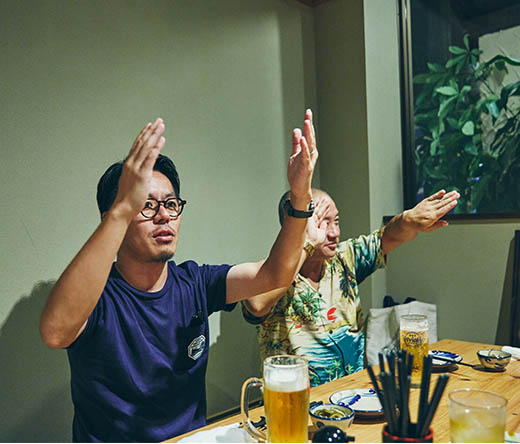
The rhythm of kuicha (vocal ensemble) and awamori (a type of liquor).
The theme of this journey is the music of Miyako Island. Our guide is musician Genta Egawa, the first Miyako Island ambassador.
Genta also presides over the Miyakojima Music Convention, a music festival held day and night across the entire island, from beaches to live music venues. 2017 marked the 13th anniversary. He's also the creator of this festival, which attracts thousands of people, featuring local and national musicians and DJs.
Genta also presides over the Miyakojima Music Convention, a music festival held day and night across the entire island, from beaches to live music venues. 2017 marked the 13th anniversary. He's also the creator of this festival, which attracts thousands of people, featuring local and national musicians and DJs.
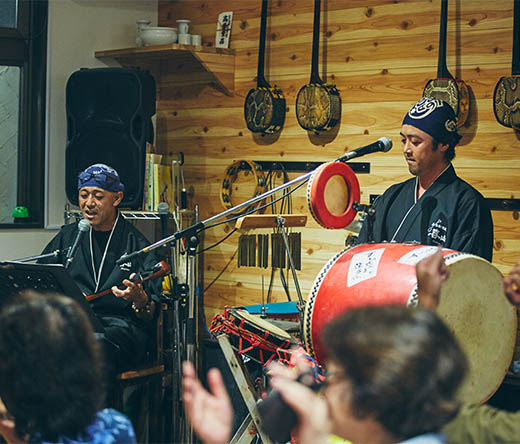
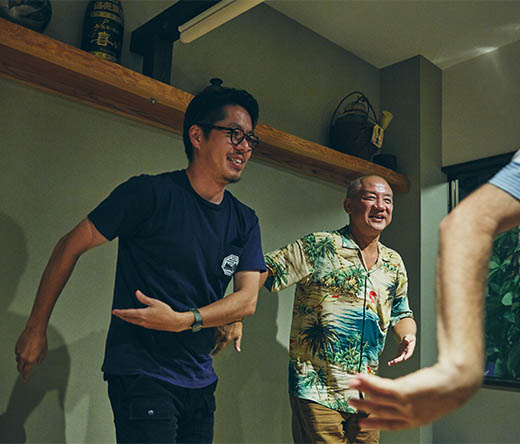
Shimauta Izakaya Kiyama
244 Nishizato, Hirara, Miyakojima City, Okinawa
Hours: 11:30 - 14:00 / 17:00 - 24:00
Tel: 0980-72-6234
Closed: Tuesdays
The rhythm of the kuicha (voiced singing) is different from the unique song and dance known as Kachashi on Okinawa's main island. Originally, it was a circular dance performed solely with vocals, without any musical instruments. Here, people drink, eat, and dance joyfully to the accompaniment of the sanshin.
"Miyako's unique dance, similar to that of the indigenous people of Taiwan, may also have been inspired by the rhythm of the language," says Sakaguchi.
The island is home to numerous izakayas (Japanese pubs) that sing shimauta (southern island food and island sake). Genta recommended "Usagiya" and "Waon," both izakayas serving shimauta (southern island live music).
"Miyako's unique dance, similar to that of the indigenous people of Taiwan, may also have been inspired by the rhythm of the language," says Sakaguchi.
The island is home to numerous izakayas (Japanese pubs) that sing shimauta (southern island food and island sake). Genta recommended "Usagiya" and "Waon," both izakayas serving shimauta (southern island live music).
Miyakojima Nightlife
"Perhaps because of the island's folk tradition of kabuki and music, there are many live music venues and bars specializing in more niche music than you'd expect for a city of its size. I was able to enjoy a wide range of music, from folk music bars to jazz bars, DJ bars specializing in underground music, and, for some reason, rockabilly."
One spot that caught Sakaguchi's eye was BAR PULSE. Its unique sound system features classical speakers, and a DJ booth on the mezzanine surrounded by bottles. Apparently, famous DJs from Japan and abroad sometimes drop in secret. Owner P-Boo also runs Miyakojima's music label, Myhaku Records.
One spot that caught Sakaguchi's eye was BAR PULSE. Its unique sound system features classical speakers, and a DJ booth on the mezzanine surrounded by bottles. Apparently, famous DJs from Japan and abroad sometimes drop in secret. Owner P-Boo also runs Miyakojima's music label, Myhaku Records.
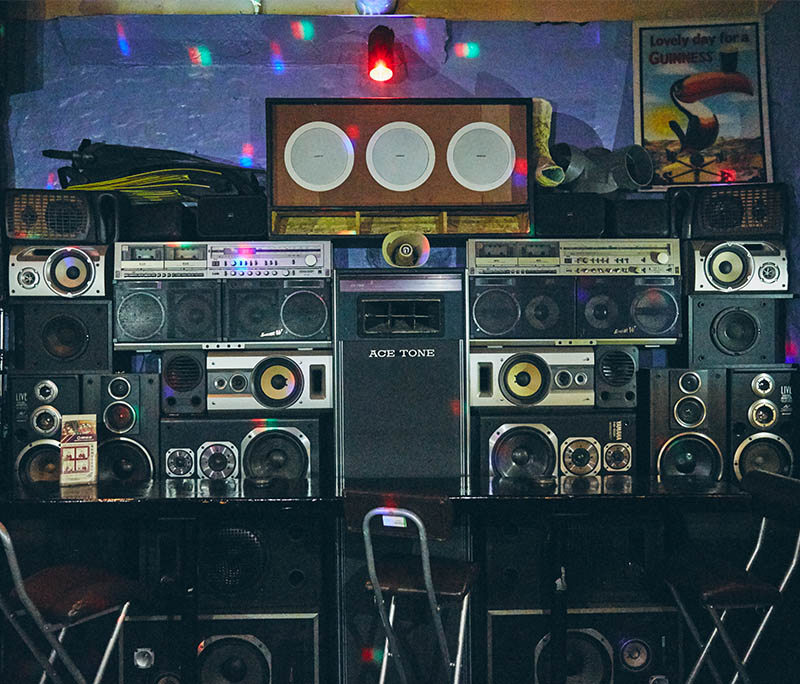
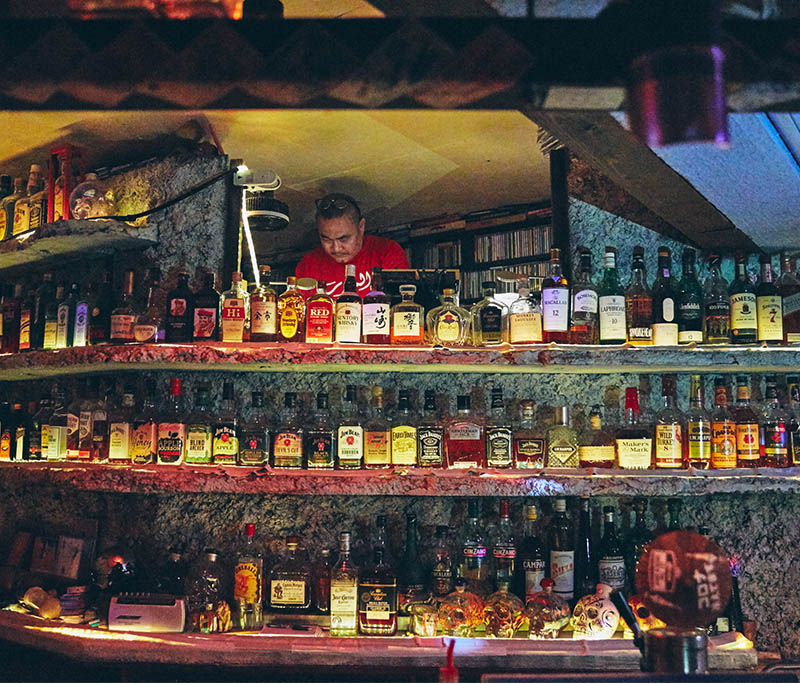
BAR PULSE 299-7 Nishizato, Taira, Miyakojima City, Okinawa Prefecture Hours: 8:00 PM - 4:00 AM Phone: 0980-73-6441 Closed on irregular days, including the 1st and 15th of the lunar calendar, and on new and full moon days.
I also went to ROAD HOUSE Gagakugoya, which regularly features musicians of all ages, both professional and amateur, and on Wednesday nights they hold acoustic performances and jam sessions open to walk-ins.
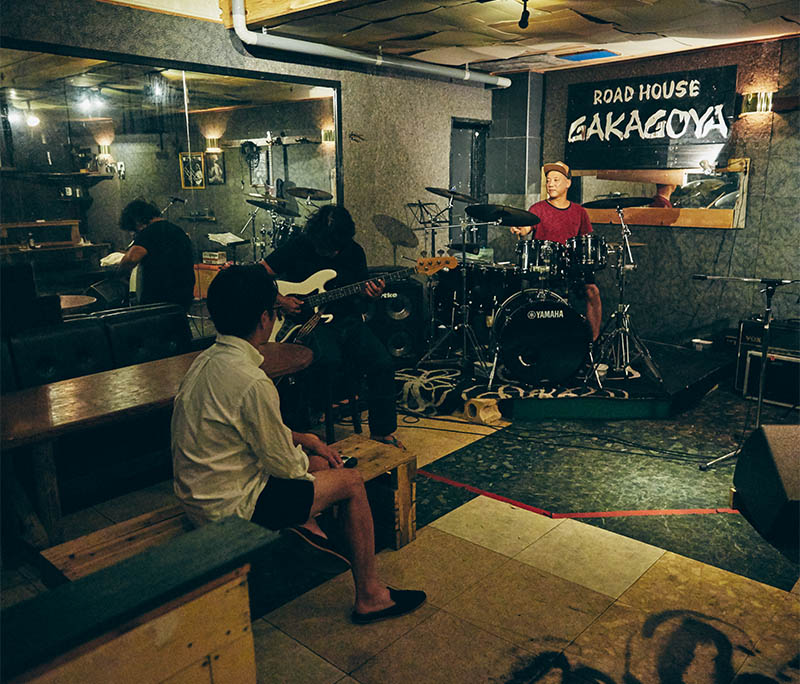
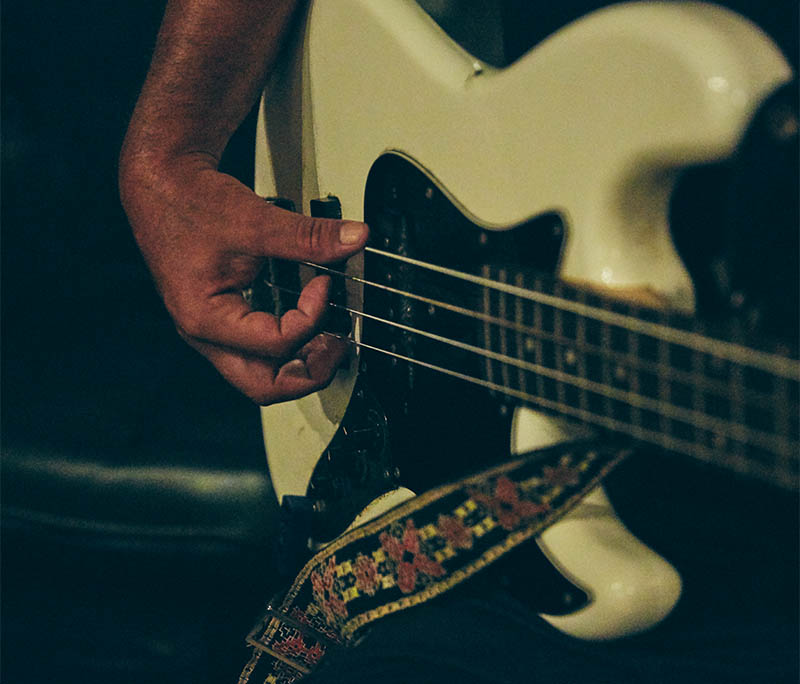
ROAD HOUSE Gagakugoya 58 Shimosato, Taira, Miyakojima City B1 Hours: 9:00 PM - 5:00 AM Phone: 0980-79-0647 Closed on irregular days.
Before meeting up with Genta, I stopped by the wine bar Sake to Tabi Garimpeiro. This bar is owned by a drunken writer who writes a column for Te Gakeru Kami, a free paper that shares Miyakojima culture.
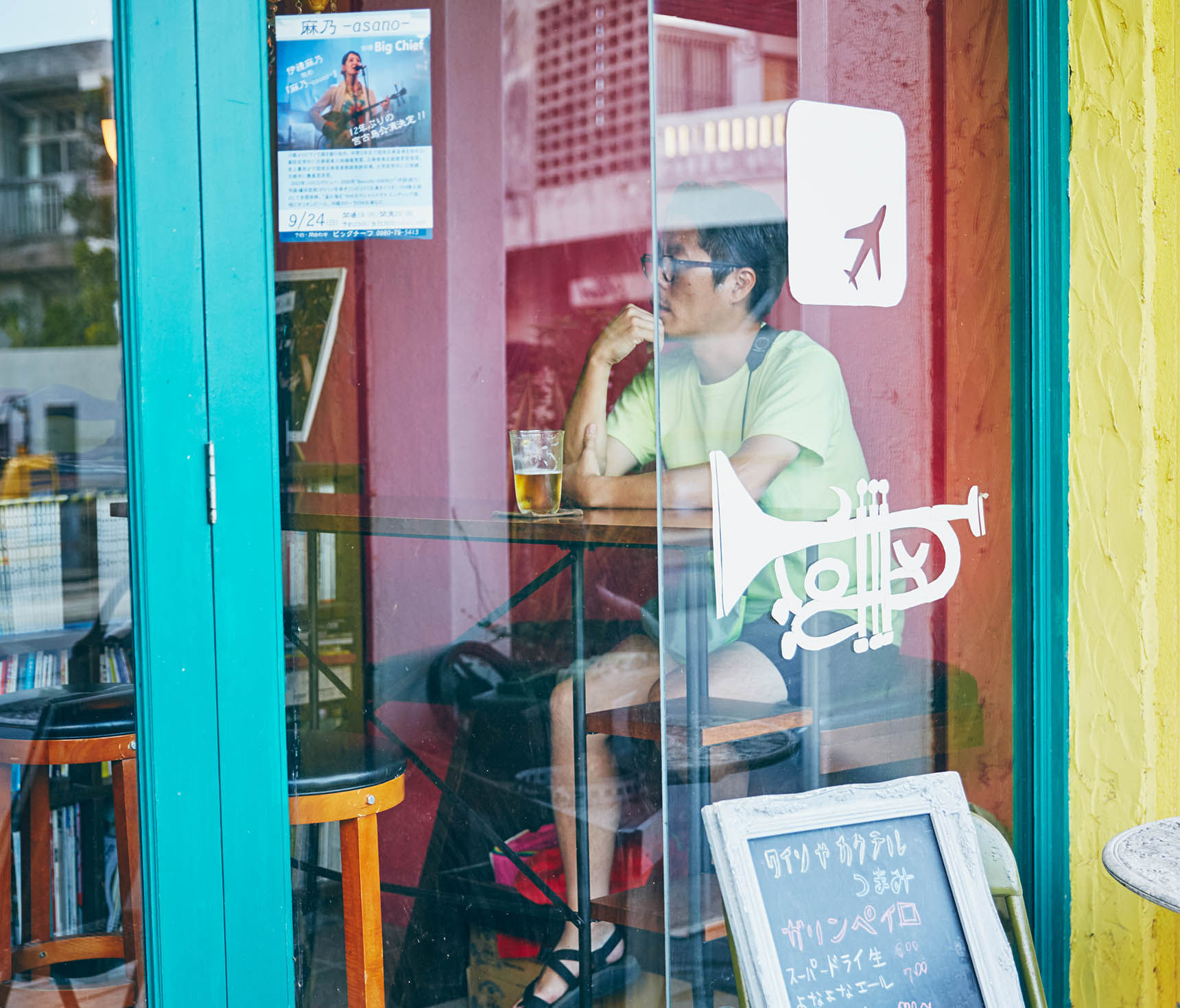
Sake and Travel Garimpeiro 567 Nishizato, Hirara, Miyakojima City, Okinawa Prefecture Business Hours: 4:00 PM - 1:00 AM Phone: 0980-72-4532 Closed: Sundays
Spend the day listening to the sounds of the waves and the wind
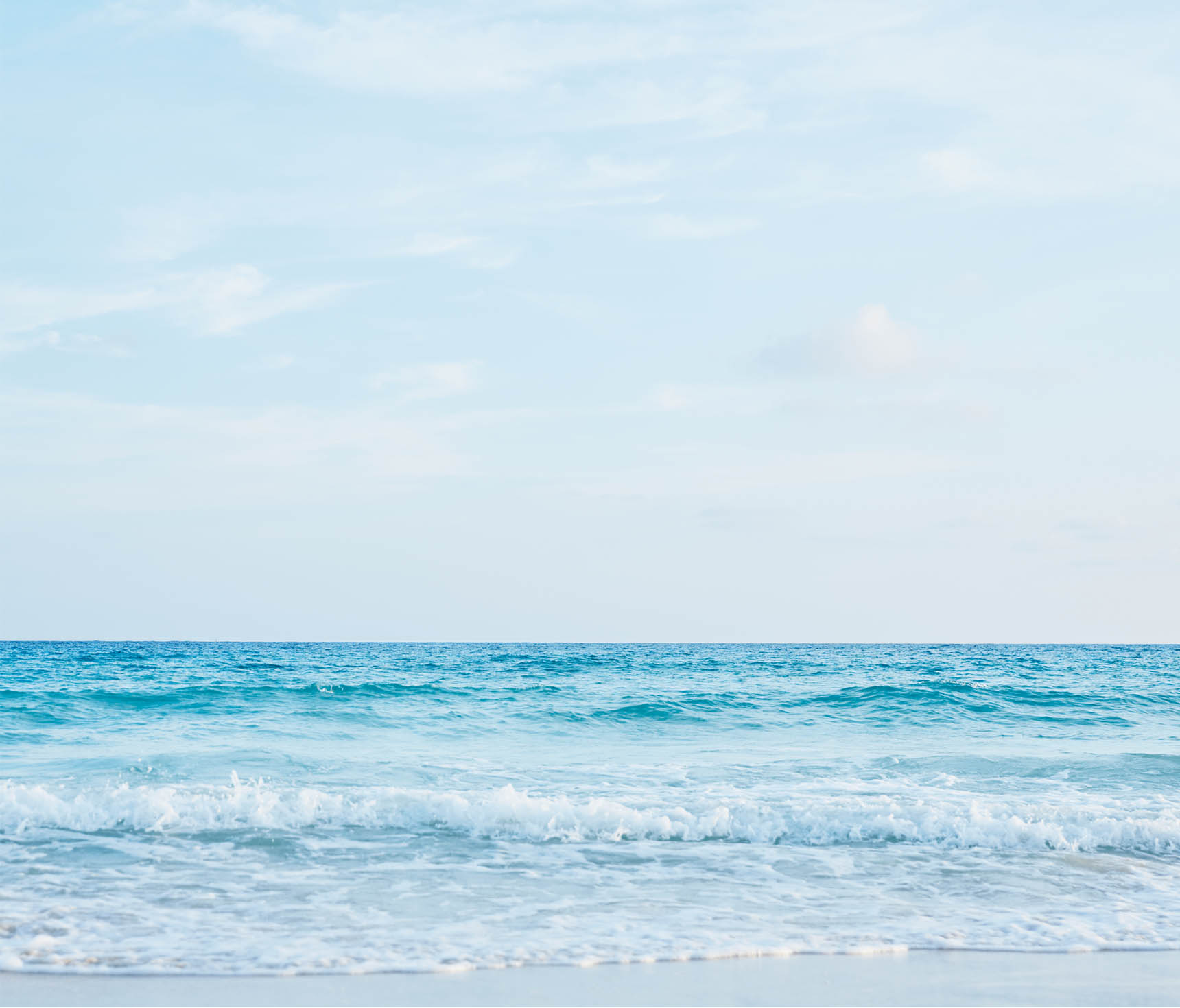
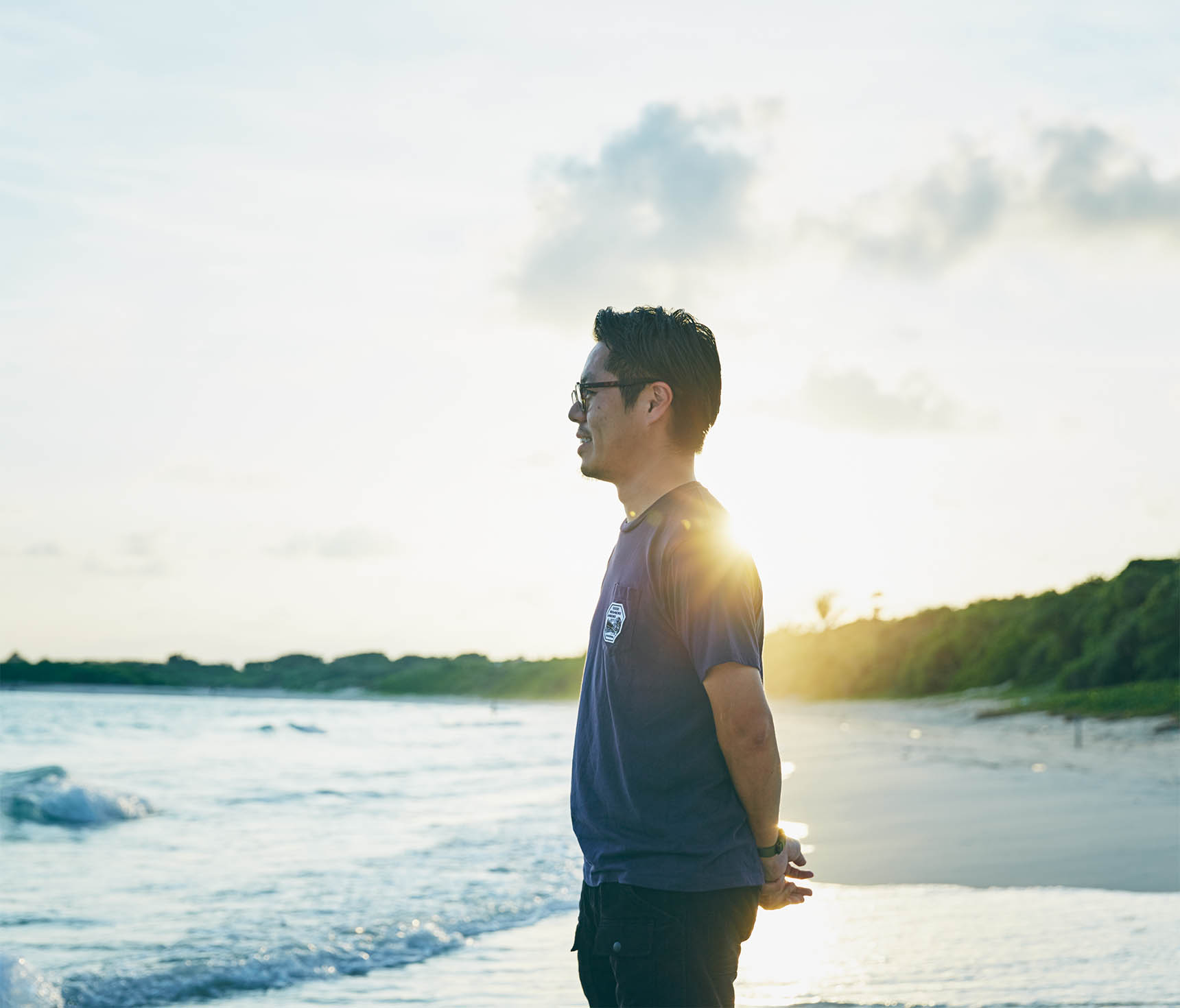
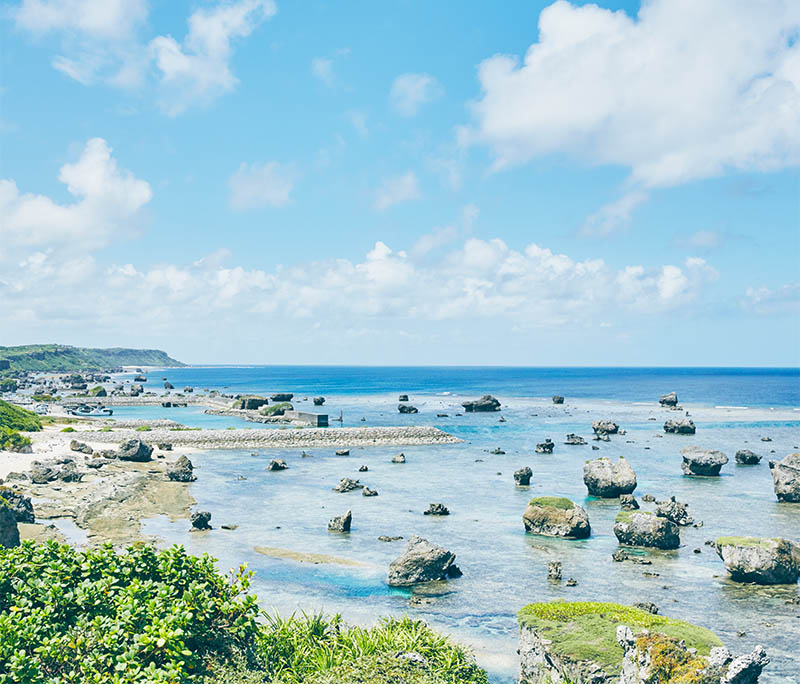
Genta says that if you want to understand the music of Miyakojima, listen to the waves during the day. This island has no mountains or rivers. Aside from flat land and a few hills, the majority of the land is ocean. The abundance of sandy beaches is astounding.
Following Genta's advice, I rented a car and spent the day exploring the island's sandy beaches, taking in the scenery and listening to the unique soundscape.
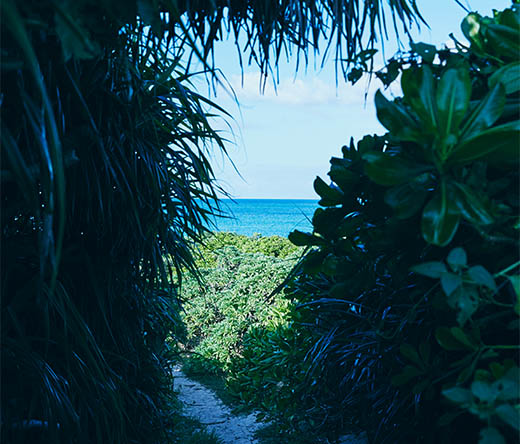
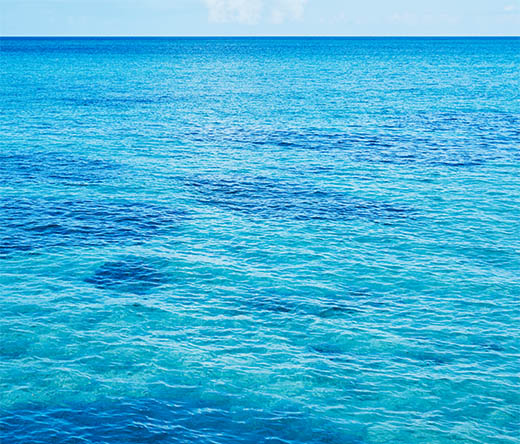
During a drive between beaches, I encountered Smafutsu (Miyako dialect). Miyakojima's star singer, Isamu Shimoji.
"The mismatch between the global, modern arrangements influenced by jazz and bossa nova and the ultra-local Smafuts vocals is exquisite. After listening for a while, it becomes addictive and I find myself listening to it over and over again, but no matter how many times I listen to it, I never understand the lyrics (laughs)."
Smafuts have strange pronunciations that aren't found in standard Japanese, such as "su", "ki", and "sa". The rhythm of these words creates a unique undulation.
Music selections from Miyako Island that were played during our trip, especially in the car: "Sketch of Miyako" Original Soundtrack
"Smafuts ~The Golden Language" by Shimoji Isamu
"Vude -Eee" by Black Wax
"Miyakojima" by Yagi Nobuo - Beach Side
"Raggae Spoonful" by Hakase San
A sound rooted in the land, present in the music.
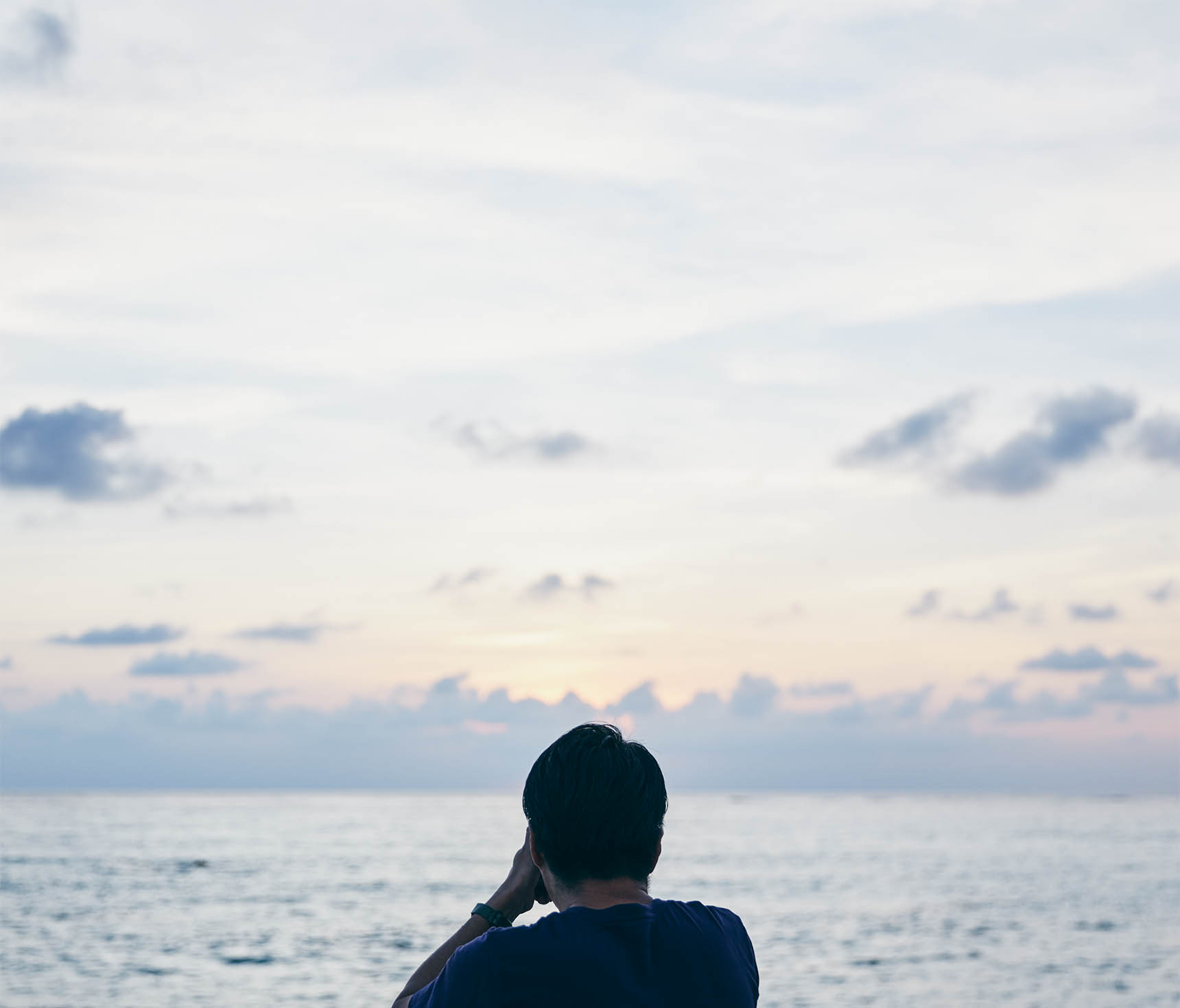
Music sung or played by someone. It could be a soundscape, or perhaps a dialect heard from the person next to you at the izakaya. Perhaps due to his job as a musician, what caught Sakaguchi's attention on Miyakojima were the various sounds.
"The mismatch between the global, modern arrangements influenced by jazz and bossa nova and the ultra-local Smafuts vocals is exquisite. After listening for a while, it becomes addictive and I find myself listening to it over and over again, but no matter how many times I listen to it, I never understand the lyrics (laughs)."
Smafuts have strange pronunciations that aren't found in standard Japanese, such as "su", "ki", and "sa". The rhythm of these words creates a unique undulation.
Music selections from Miyako Island that were played during our trip, especially in the car: "Sketch of Miyako" Original Soundtrack
"Smafuts ~The Golden Language" by Shimoji Isamu
"Vude -Eee" by Black Wax
"Miyakojima" by Yagi Nobuo - Beach Side
"Raggae Spoonful" by Hakase San
A sound rooted in the land, present in the music.
Music sung or played by someone. It could be a soundscape, or perhaps a dialect heard from the person next to you at the izakaya. Perhaps due to his job as a musician, what caught Sakaguchi's attention on Miyakojima were the various sounds.
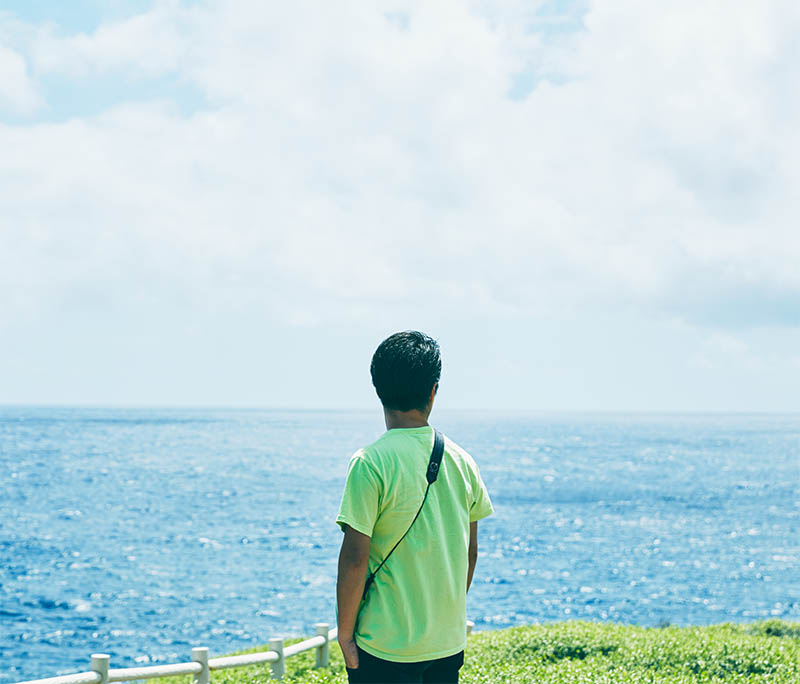
By focusing on those "sounds," the trip provided a glimpse into a new side of the island's charm.