

 English
"There's something I can only discover as a foreigner who loves Japan."
So said Lucas B.B., editor-in-chief of the travel lifestyle magazine "PAPERSKY," about his impressions of cycling around Miyakojima.
So said Lucas B.B., editor-in-chief of the travel lifestyle magazine "PAPERSKY," about his impressions of cycling around Miyakojima.
In the pages of the magazine, which has introduced numerous domestic and international travel destinations, we've focused on the things, culture, and people rooted in the land. As it relates to this trip, I'd like to highlight two projects that embody the magazine's uniqueness: "Kodo Walking" and "Tour de Nippon," in which Lucas personally experiences Japan.
"Kodo Walking" involves walking ancient roads and highways, such as the Tokaido, Nakasendo, Kumano Kodo, and Shodoshima Pilgrimage, and writing articles about the process. And "Tour de Nippon" is a bicycle travel project that allows people to rediscover the charm of Japan by experiencing the land through walking.
"Kodo Walking" involves walking ancient roads and highways, such as the Tokaido, Nakasendo, Kumano Kodo, and Shodoshima Pilgrimage, and writing articles about the process. And "Tour de Nippon" is a bicycle travel project that allows people to rediscover the charm of Japan by experiencing the land through walking.
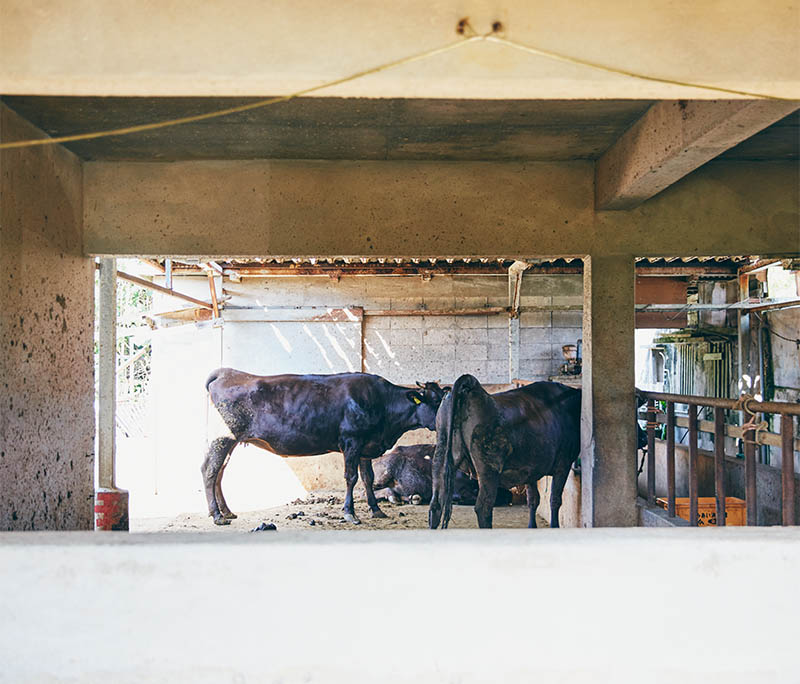
"When you walk, you can perceive things at your own speed. The scenery changes with your speed and tempo, and because you're in direct contact with nature, you become sensitive to changes in smells and the wind. This brings a different perspective to traveling than traveling by car or train."
Switching from walking to pedaling transforms the journey into a whole new one. Changing your speed broadens the experiences you have at your destination. What both have in common is that you physically travel on your own.
Switching from walking to pedaling transforms the journey into a whole new one. Changing your speed broadens the experiences you have at your destination. What both have in common is that you physically travel on your own.
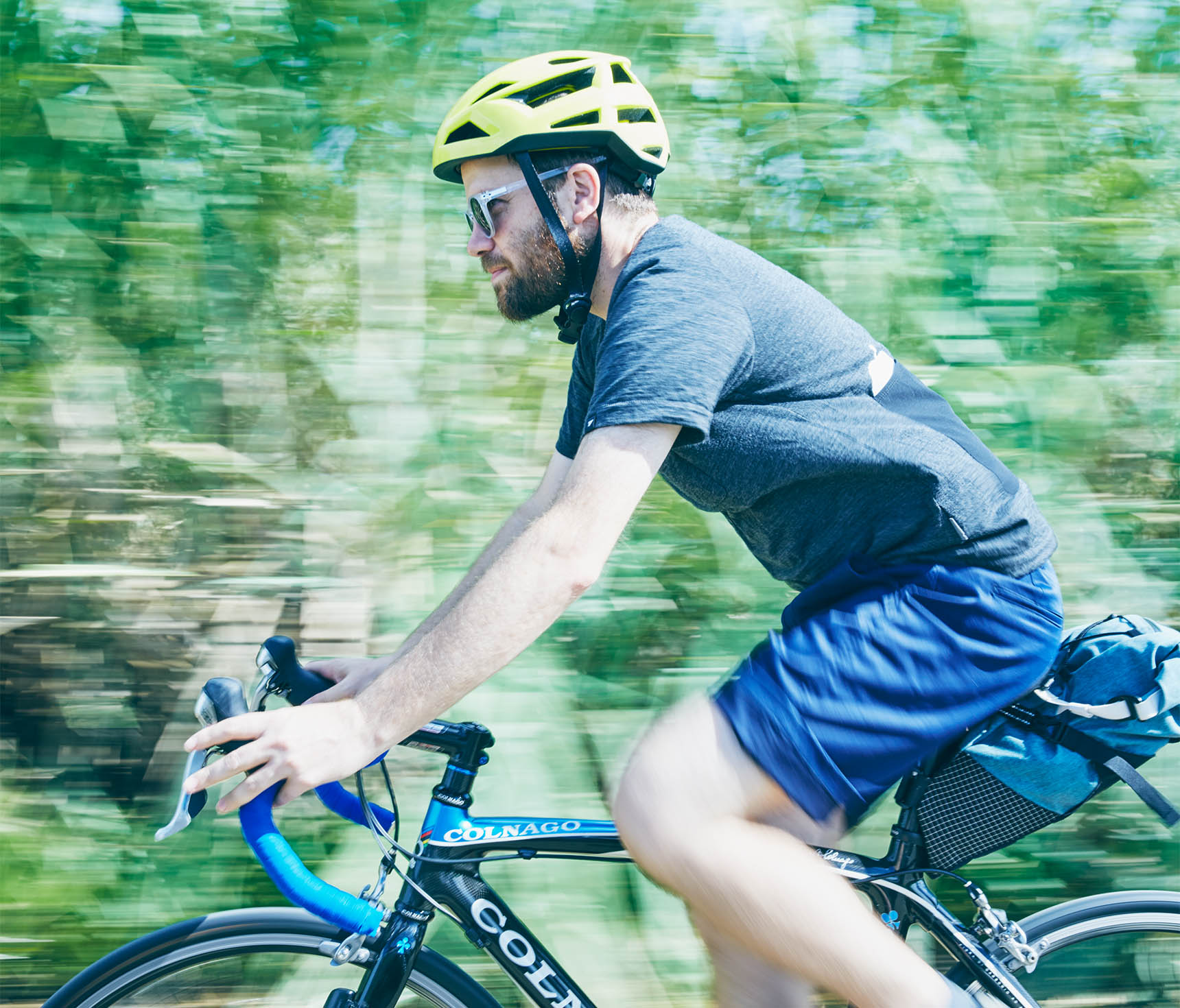
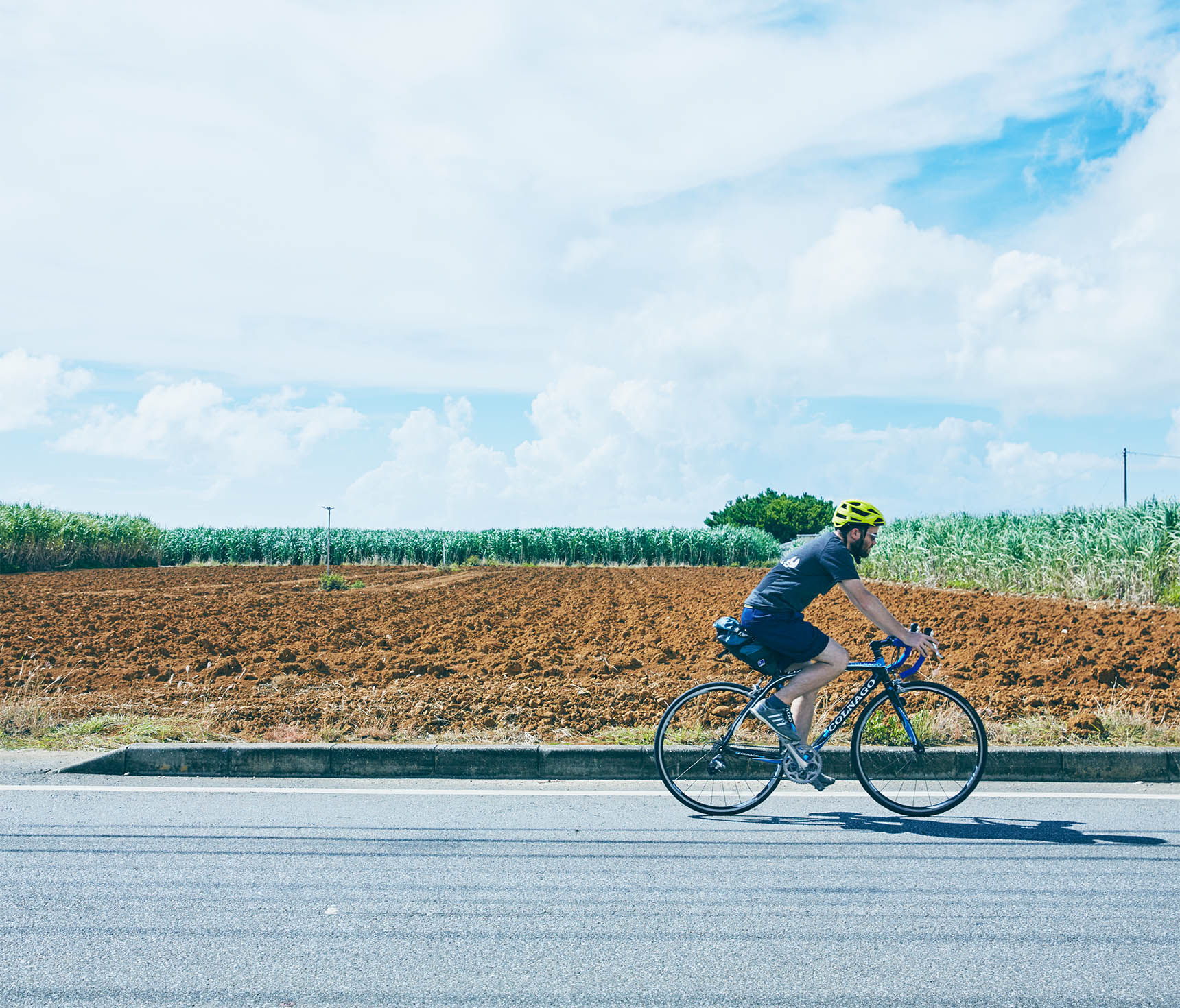
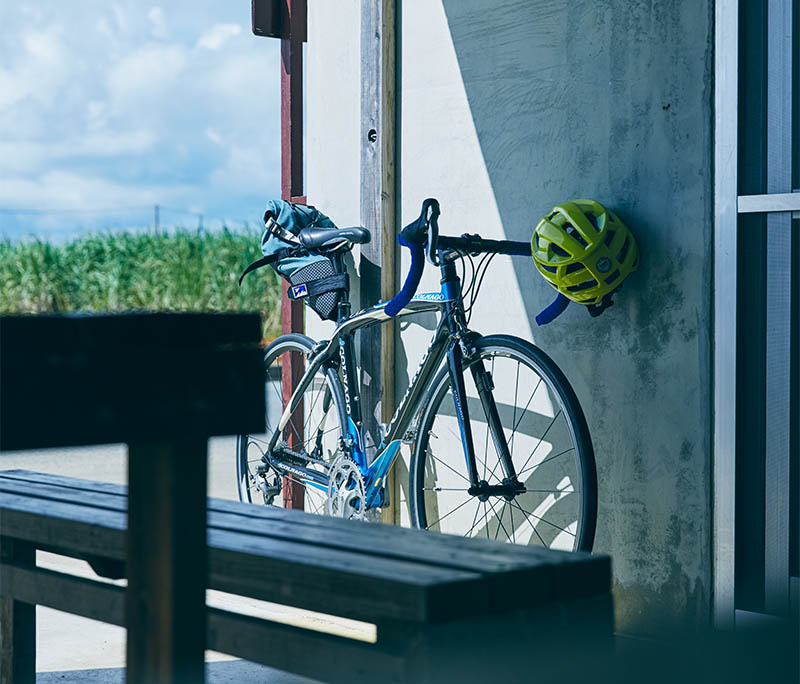
"You may go faster, but with a bicycle you can cover greater distances. I think Miyako Island and bicycles are a great match. First of all, there are no mountains, so there's a lot of flat land. That means even people who don't usually cycle much can get anywhere on the island on their own with a little effort."
Exploring the abundance of nothing on a private beach
Earlier this morning, I bought some ready-to-eat Keitt mangoes from a fruit stand in the public market to get some sugar. For the day, I chose my destination from three remote islands connected by bridges and accessible by bicycle, centered around Miyako Island.
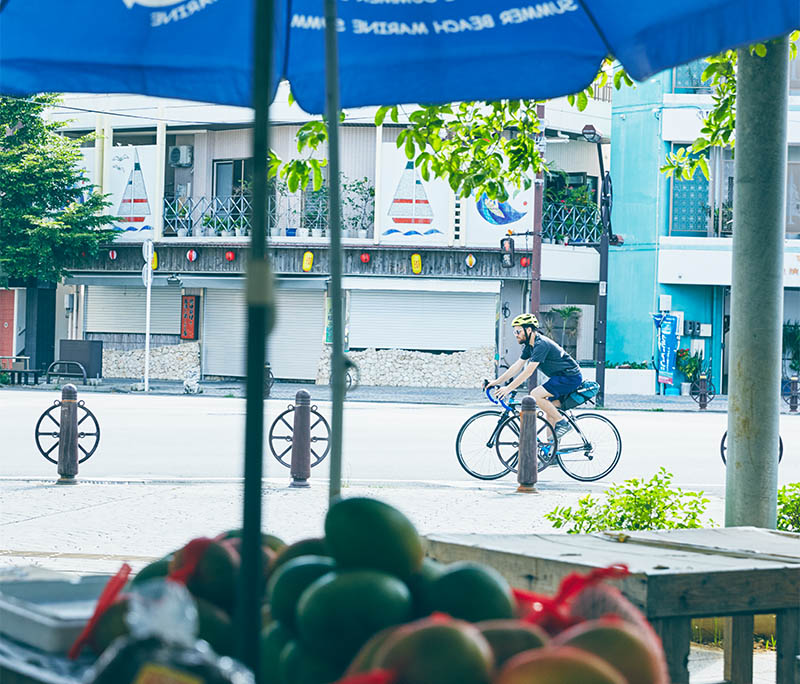
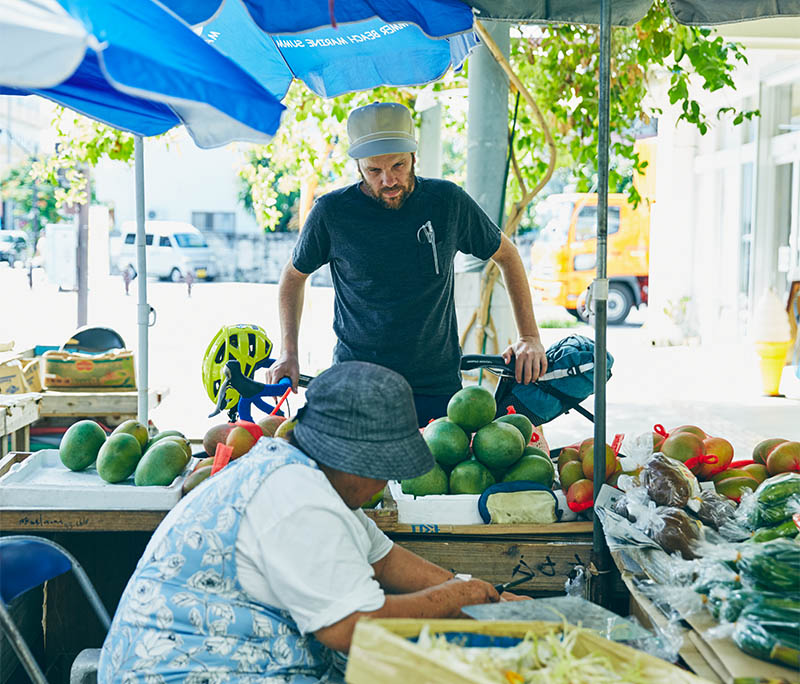
Miyakojima City Public Market, Shimosato Prime 1, Hirara, Miyakojima City, Okinawa Prefecture. Hours: 7:00 AM - 6:00 PM
Starting from HOTEL LOCUS, Ikema Island is about 15 km away, and Kurima Island and Irabu Island are about 10 km away. Even considering a round trip, the distances are just right for a ride. The 3,540-meter-long Irabu Bridge, completed in 2015, offers not only beautiful scenery but also a rewarding ride for cyclists.
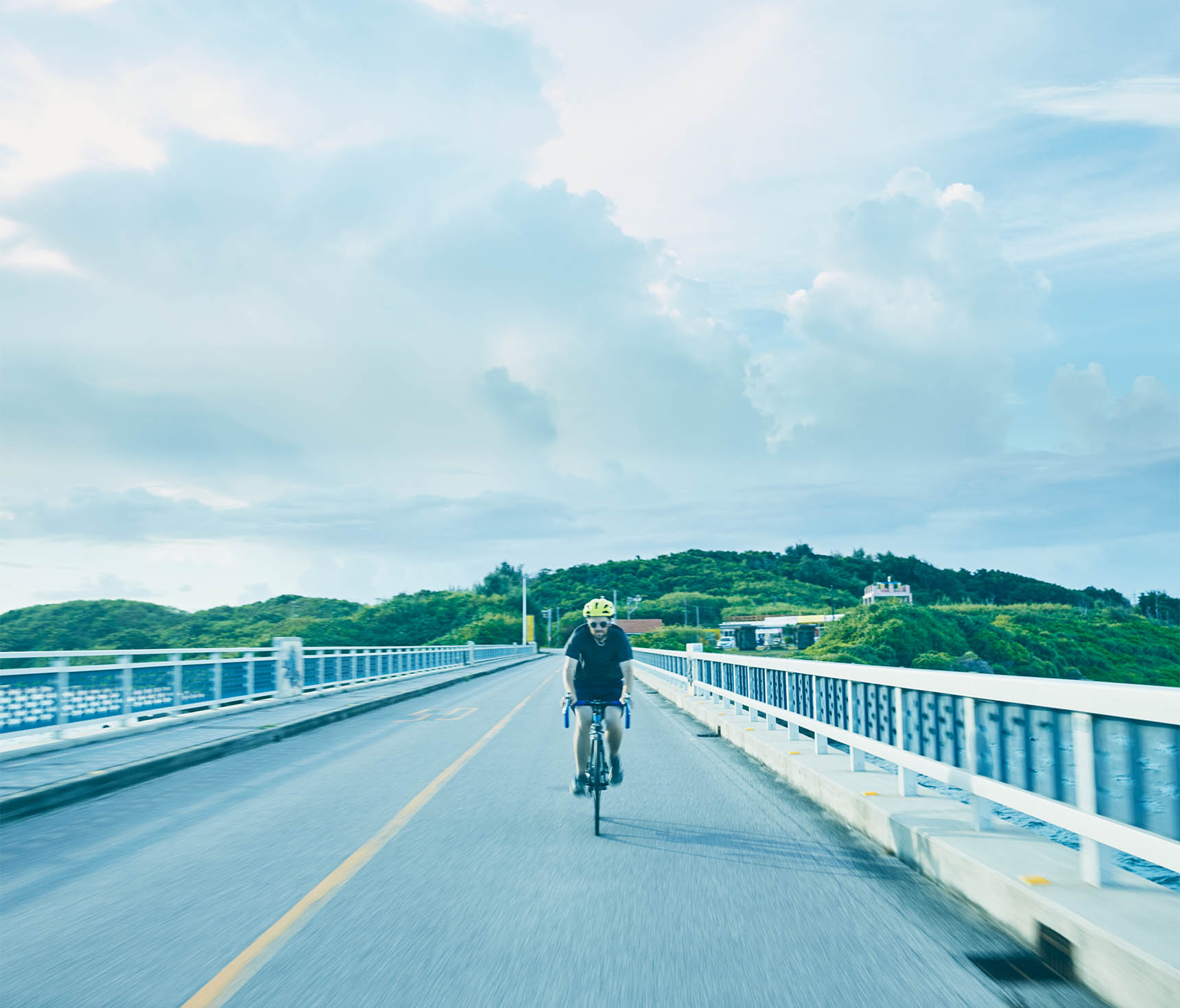
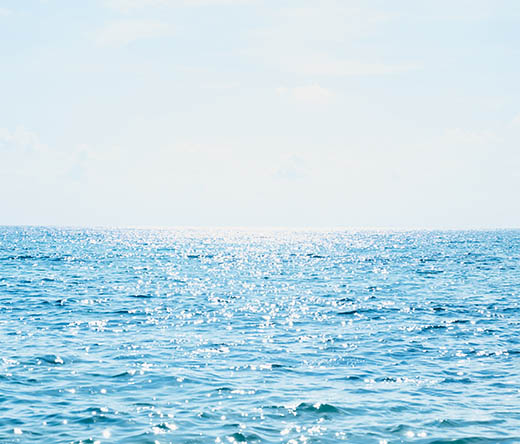
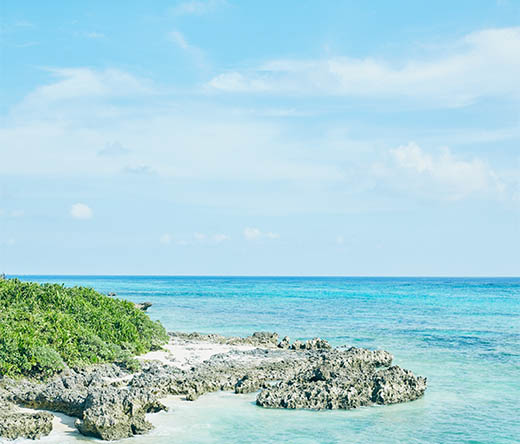
"Miyakojima's charm is, of course, the beauty of its ocean and sandy beaches. Especially if you venture out to the outlying islands, there are so many small private beaches to choose from."
"The abundance of nothing," Lucas continues. There are many deserted beaches without a single vending machine, allowing you to lose yourself in thought as you gaze upon the sound of the waves and the expansive ocean. It's a time to truly connect with nature.
"The abundance of nothing," Lucas continues. There are many deserted beaches without a single vending machine, allowing you to lose yourself in thought as you gaze upon the sound of the waves and the expansive ocean. It's a time to truly connect with nature.
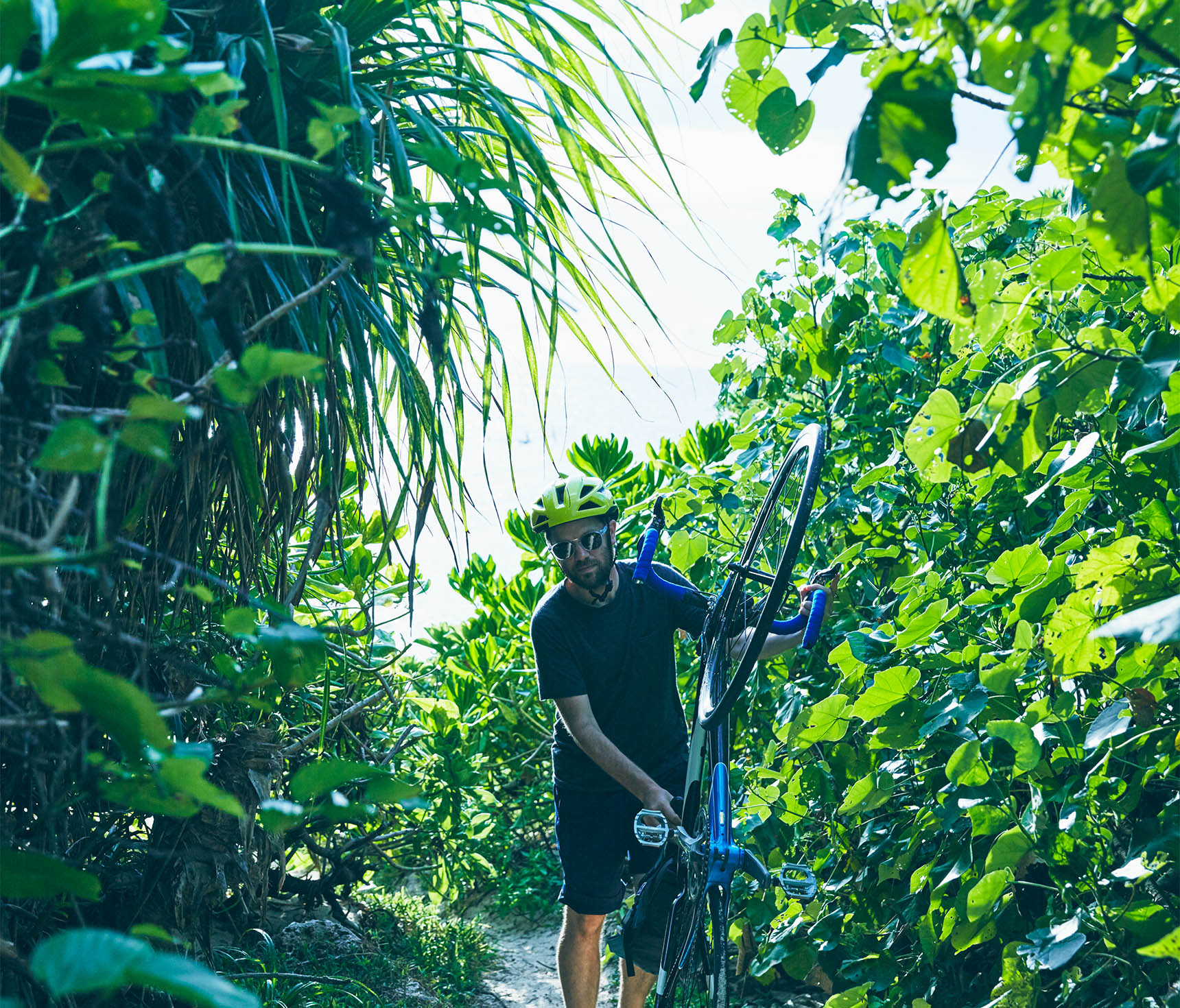
"Maybe in five or ten years, Miyakojima's current simplicity will be lost. This is inevitable as new cultures are introduced and more people visit. That, too, is a wonderful thing. But if you're someone who wants to experience the richness of nothing, I think this is the island to visit now."
It's precisely because there's nothing here that you can savor what's there, enjoy it as it is. Perhaps that's what the richness of nothingness is all about.
It's precisely because there's nothing here that you can savor what's there, enjoy it as it is. Perhaps that's what the richness of nothingness is all about.
Restaurants to Stop By After Cycling
Getting moving naturally makes you crave delicious food. Here, we introduce some of the best restaurants Lucas encountered on Miyakojima. Miyakojima's infrastructure is still not fully developed for tourists, so sometimes people find themselves without lunch. So what do locals do? They rely on takeout and bento boxes. On this day, I ordered takeout veggie curry from Sri Lankan curry restaurant SAMAN.
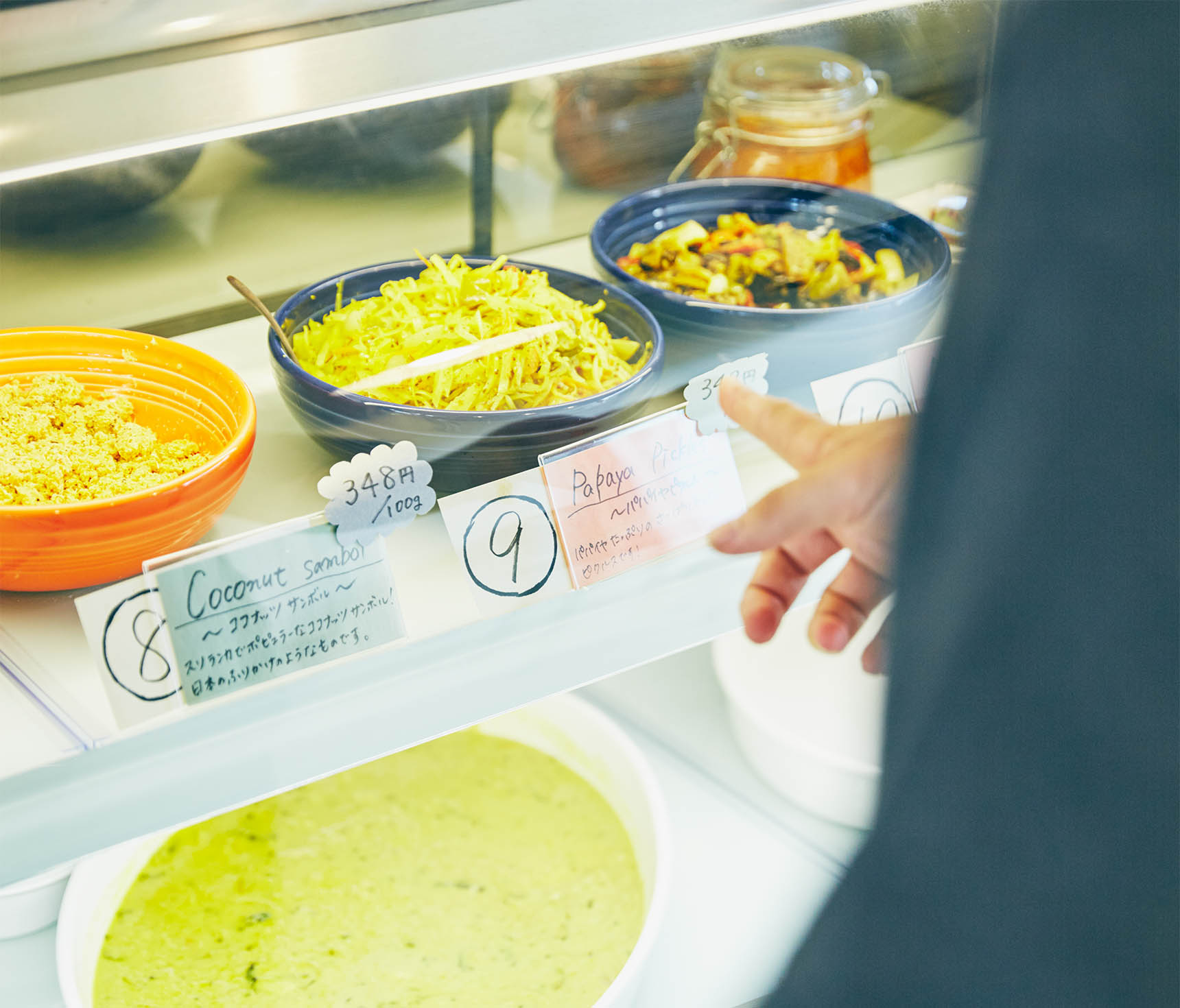
SAMAN Nakayama Store, 1F, 1068-9 Hisagai, Hirara, Miyakojima City, OkinawaPrefecture. Hours: 11:30 - 20:00. Phone: 0980-73-7456. Closed: Mondays.
We ate our takeout curry at Kamama Mine Park, where the Shisa slide is a symbol of the park.
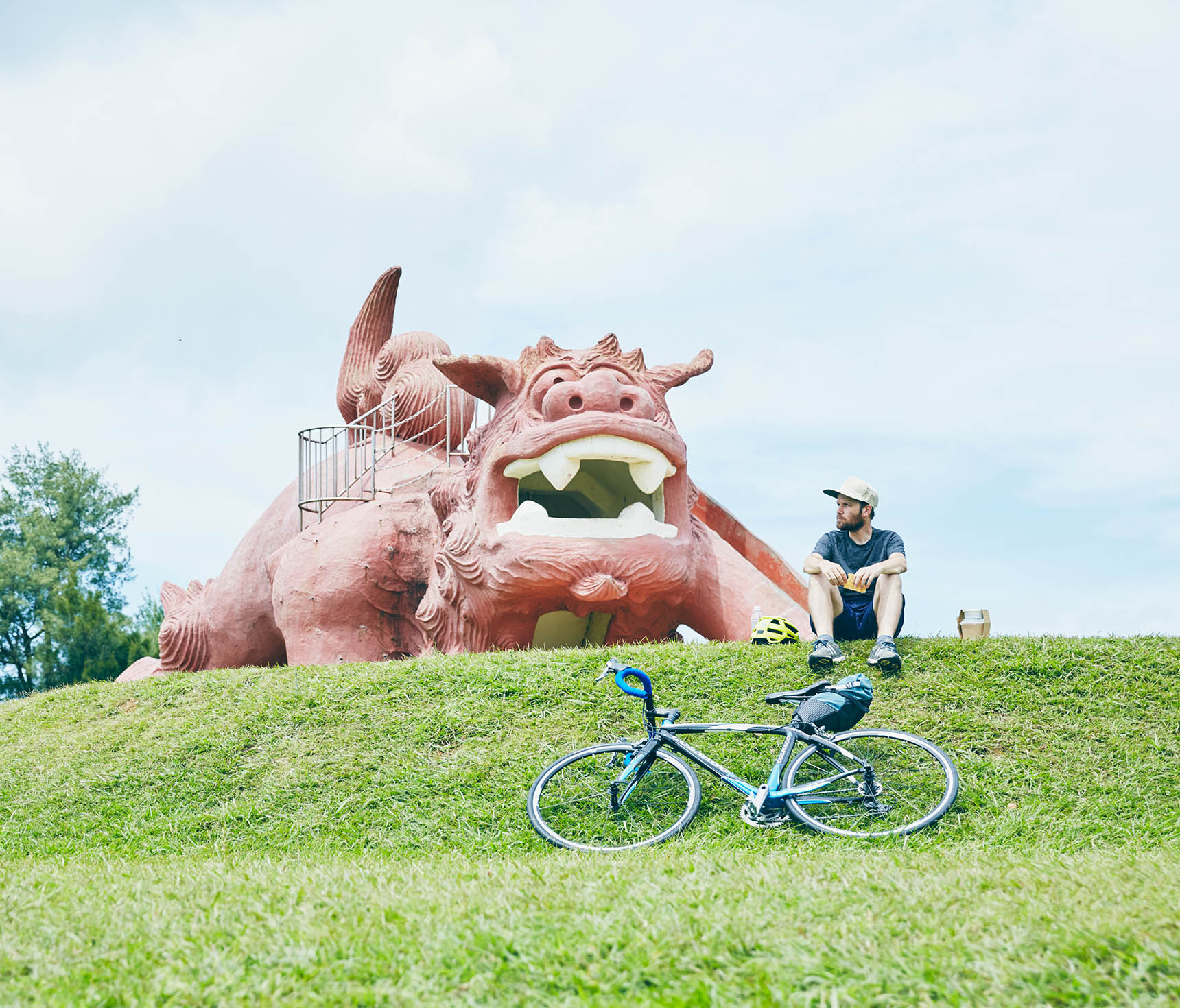
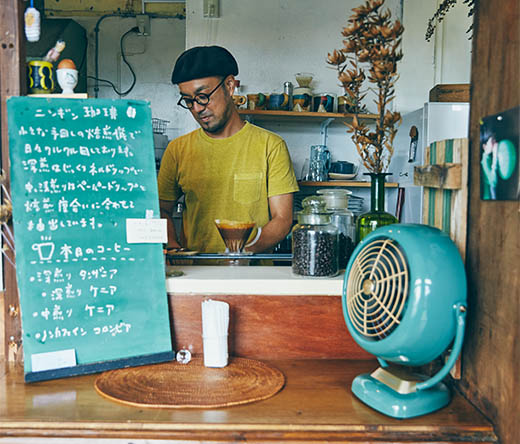
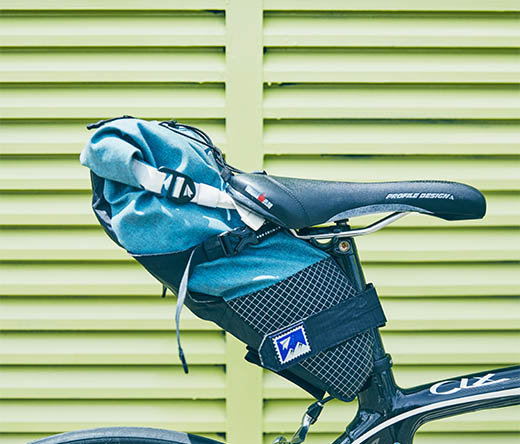
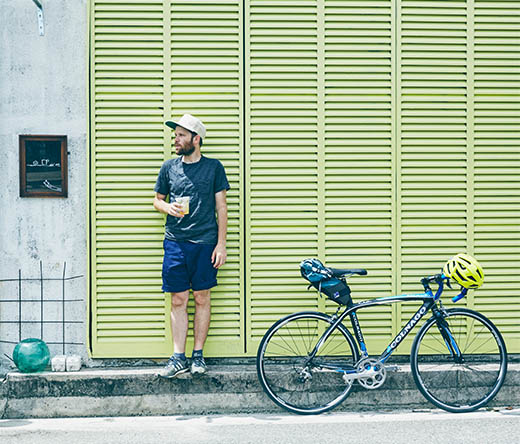
After dinner, we headed to Ningin Shoten, a shop run by a local couple facing the park. They offer coffee carefully roasted in a hand-cranked roaster and handmade baked donuts. They also offer decaffeinated coffee and healthy original drinks.
Ningin Shoten 887-1 Hisagai, Hirara, Miyakojima City, OkinawaPrefecture Business Hours: 11:00 AM - 5:00 PM Phone: 090-8400-0217 Closed: Sundays and Mondays
"The best food experience of this trip was the yushi tofu at Minaiya, which we visited after Kurima Island. The gentle bonito broth and fluffy tofu were even healthier than soba noodles. It really seeped into my body."
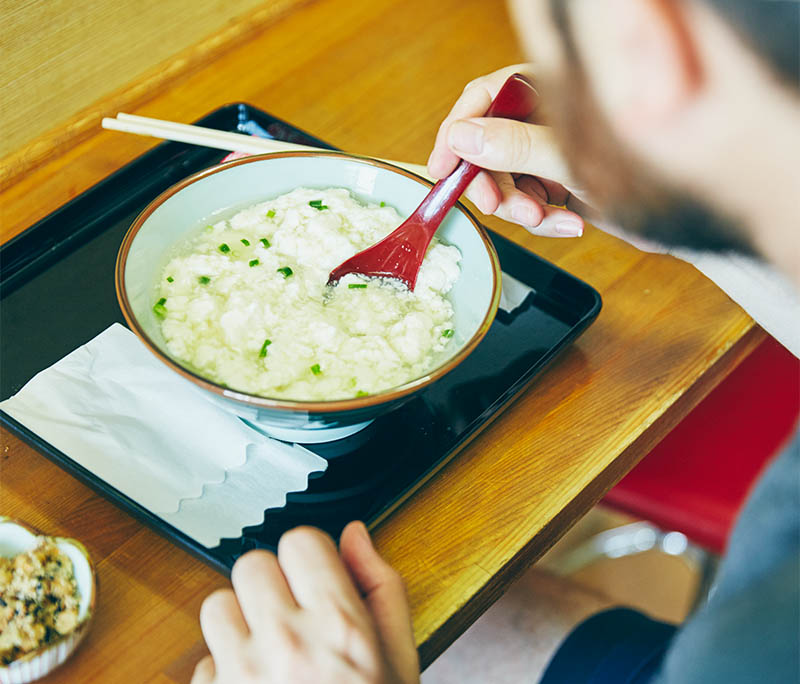
Minaiya 1450-62 Yonaha, Shimoji, Miyakojima City, OkinawaPrefecture Business Hours: 11:30 AM - 4:00 PM Phone: 0980-76-6778 Closed: Saturdays and Sundays (and other irregular holidays)
Discovering new foods is one of the joys of traveling. Whether walking or paddling, just getting hungry is what gets you there. It's the perfect way to savor your travels.